Phipps Conservatory and Botanical Gardens gives Oakland a rare kind of pause: you can step into a historic glasshouse, spend time with plants, and then walk back into one of Pittsburgh’s busiest academic and cultural districts. We like this part of Oakland because a visit does not have to end at the conservatory doors. Schenley Park, museums, libraries, university buildings, coffee, and neighborhood streets can all fit into the same easy day.
Start with the glasshouse, then let Oakland open up
Phipps sits inside Schenley Park, which makes it a natural anchor rather than an isolated attraction. Begin there while your attention is fresh, then decide how much of the rest of Oakland you actually want to cover.
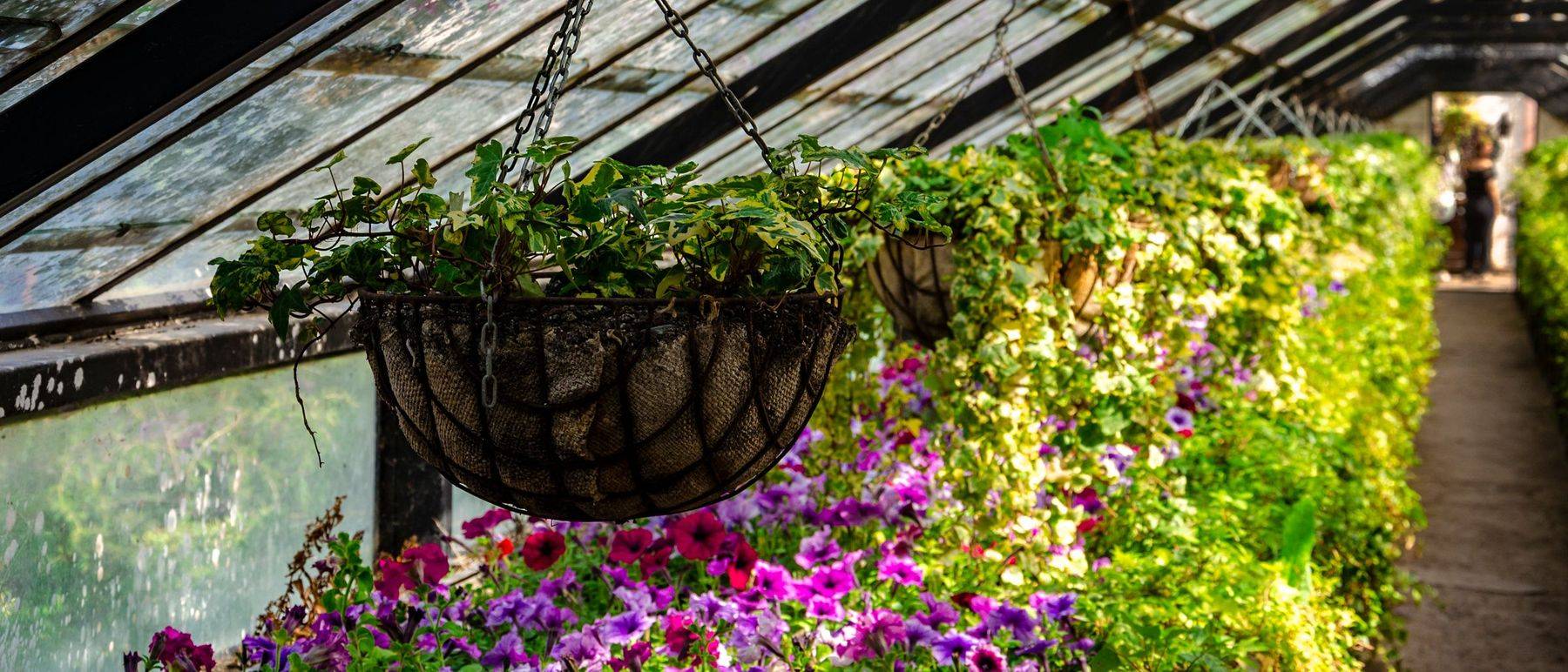
The conservatory opened in 1893, and its historic glasshouse remains central to the experience. Today, Phipps also focuses on plant collections, seasonal displays, sustainability, research, and the relationship between human and environmental well-being.
That mix changes the pace of the visit. You can spend an hour looking closely at plants and architecture, then step outside into a neighborhood where students, museum visitors, hospital workers, families, and longtime residents are all moving through the same streets.
Why Phipps feels different from a typical city attraction
A conventional attraction can feel like a single stop with a clear entrance and exit. Phipps works differently because the setting carries into Schenley Park and the wider Oakland streetscape.
The glasshouse is part of that contrast. Its Victorian structure gives you a strong sense of Pittsburgh history, while the gardens and sustainability work keep the experience connected to current environmental ideas.
You do not need to turn the visit into a horticulture lesson. Slow down, notice how the rooms change, and leave enough energy for the park afterward.
Make Schenley Park part of the same visit
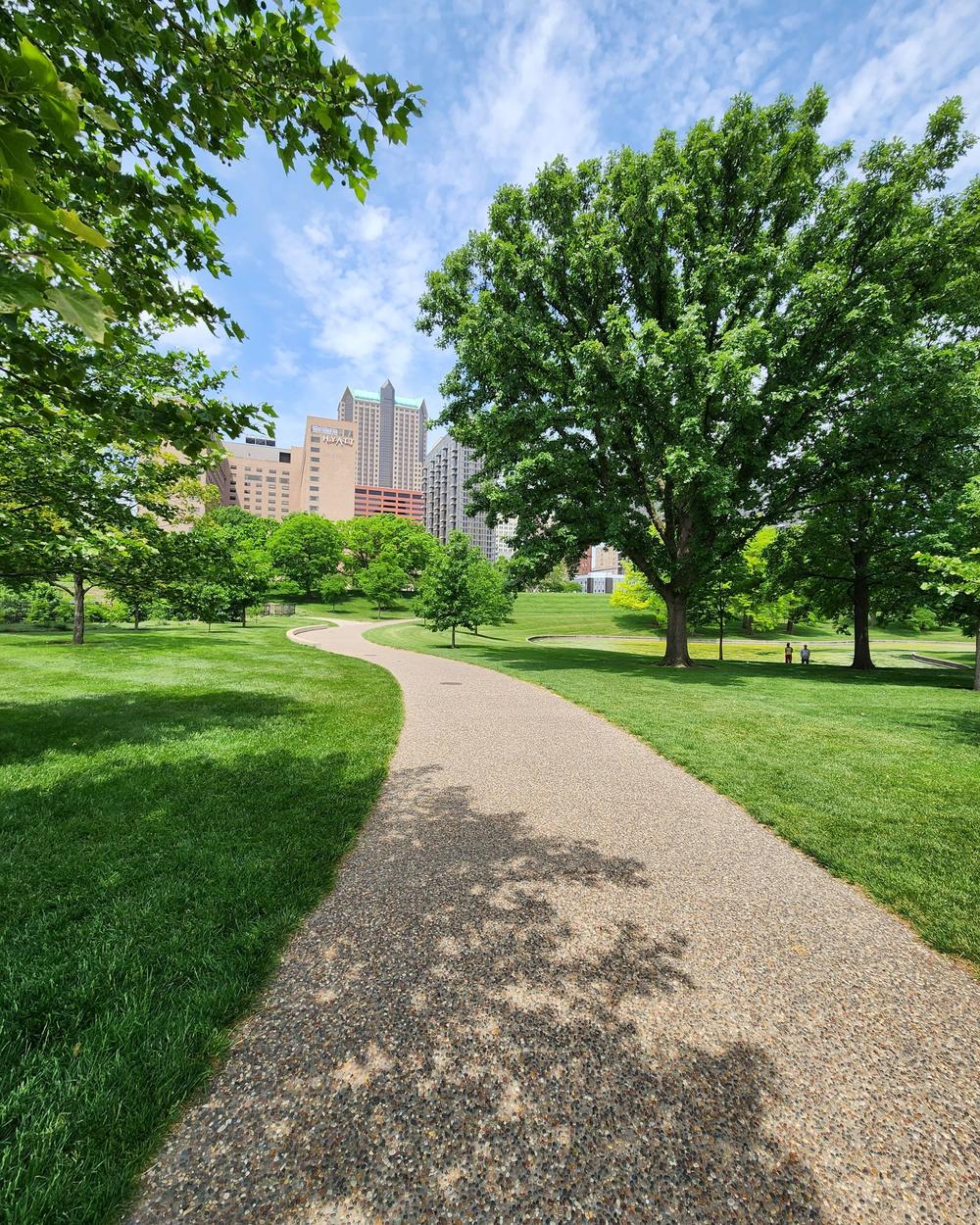
Once you leave Phipps, give yourself time outdoors rather than rushing straight to another building. Schenley Park adds lawns, wooded areas, paths, and open space to a neighborhood better known for institutions and traffic.
A simple way to pace the middle of the day is:
- spend the first part of the visit inside Phipps;
- take a short park walk before choosing lunch;
- leave one flexible stop for a museum, library, or campus walk;
- keep the final hour unplanned in case the weather or your group changes the pace.
That loose structure works especially well with children or visiting relatives. It gives everyone a break between indoor stops and keeps the day from becoming a race through Oakland.
If the weather turns, shift the park portion later or shorten it. Oakland gives you enough indoor options that the whole day does not depend on perfect conditions.
What this says about living near Oakland
Days like this are useful when you are comparing Pittsburgh neighborhoods, because they show how recreation and daily city life overlap. Oakland’s mix of museums, universities, shops, transit, and public spaces gives residents reasons to move through the neighborhood without treating every outing as a separate car trip.
Walkability here is not about pretending every destination sits on one flat block. Pittsburgh still has hills, busy streets, and weather. The appeal is having several different kinds of places close enough to combine in one outing.
Pair the visit with Craig Street or a quieter stop
After Phipps and the park, choose one more destination based on your energy. Craig Street works for food and a neighborhood change of scene, while nearby museums or the Carnegie Library can extend the cultural side of the day.
We love how Oakland lets you move from glasshouse calm to city energy in the same afternoon. That contrast is part of what makes the neighborhood feel lived-in rather than arranged for visitors.
Plan with current details before you go
Hours, admission, seasonal exhibits, and temporary closures can change, so check current visitor information before you leave home. Phipps publishes the details needed to plan the indoor portion of the day.
Then keep the neighborhood side flexible. A good Oakland day does not need ten stops. Phipps, a walk through Schenley Park, one meal, and one nearby cultural stop are enough to show why green space and city life fit together so naturally here.